

Search Results
Showing 61 - 70 of 214 results
 Paperback
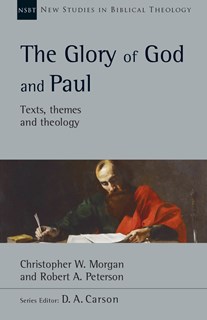
The Glory of God and Paul
New Studies in Biblical Theology
by Christopher W. Morgan and Robert A. Peterson
Series edited by D. A. CarsonThe apostle Paul's theology of glory has its foundations in the biblical drama of creation, fall, redemption, and consummation, and in the identity of Jesus as revealed in his teachings, life, death, and resurrection.The triune God, who is intrinsically glorious, graciously and joyfully displays his glory, largely through his creation, human image-bearers, providence, and redemptive ...
 Hardback
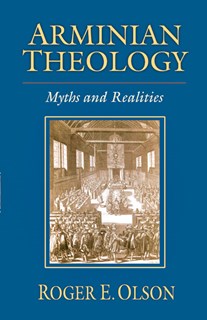
Arminian Theology
Myths and Realities
by Roger E. Olson
In this book, Roger Olson sets forth classical Arminian theology and addresses the myriad misunderstandings and misrepresentations of it through the ages. Irenic yet incisive, Olson argues that classical Arminian theology has a rightful place in the evangelical church because it maintains deep roots within Reformational theology, even though it maintains important differences from Calvinism.
...
 Paperback
The Message of Daniel
The Bible Speaks Today Series
by Dale Ralph Davis
Many have heard the story of Daniel in the lion’s den, but there is much more to the book of Daniel than lions. Interspersed with memorable stories is a complex series of visions that touch on the whole scope of human history.
In this Bible Speaks Today volume, former pastor and professor Dale Ralph Davis explains the background of Daniel, analyzes the stories and visions ...
 Paperback
The Message of Deuteronomy
The Bible Speaks Today Series
by Raymond Brown
No Old Testament book has exerted a greater influence on the formation of both Jewish and Christian thought and practice than Deuteronomy. It presents the final message of Moses to the people of Israel, providing foundational theology for the rest of Scripture. When we read Deuteronomy today, we hear Moses address us as a future generation of the covenant people of God. The challenges ...
 Paperback
The Message of Galatians
The Bible Speaks Today Series
by John Stott
To enclaves of young converts in the mountains of Asia Minor, Paul wrote what is perhaps the oldest document in the New Testament—the letter to the Galatians. Paul's readers were struggling with numerous issues: How were men and women to be put right with God? Among a variety of religious authorities espousing different teachings, how were they to know who was right? How could Christians ...
 Paperback
The Message of Colossians & Philemon
The Bible Speaks Today Series
by R. C. Lucas
Even healthy churches are never completely immune to the intellectual and spiritual pressures of their time. The church in Colossae was no exception. False teaching shaped by the spirit of the age was rising within the community,suggesting that a fuller knowledge and freedom was available beyond what ordinary Christians had experienced. Paul’s response was adamant: all God's fullness ...
 Paperback
The Message of 1 Timothy & Titus
The Bible Speaks Today Series
by John Stott
In the letters to Timothy and Titus, as he nears the end of his life, Paul focuses on the idea of inheritance. The faithful, he writes, must guard and pass on the heritage of gospel truth for the next generation. Paul's clear commitment to the church as "the pillar and foundation of the truth" continues to challenge Christians in every era.
In this revised Bible Speaks Today ...
 Paperback
The Message of 2 Timothy
The Bible Speaks Today Series
by John Stott
After teaching many times from the book of 2 Timothy, John Stott writes, "I have been impressed afresh by the timeliness for today of what the apostle writes, especially for young Christian leaders. For our era too is one of theological and moral confusion, even of apostasy. And the apostle summons us, as he summoned Timothy, to be strong, brave and steadfast."
In this revised ...
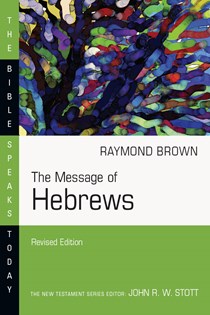 Paperback
The Message of Hebrews
The Bible Speaks Today Series
by Raymond Brown
The first-century readers of Hebrews were at a critical point. Many had been exposed to public ridicule, persecution, and imprisonment. Some had already abandoned their commitment to Christ, and others were in danger of compromising or giving up. The letter to the Hebrews brought a profound encouragement and appeal: they must keep their eyes on Christ and remain anchored in the ...
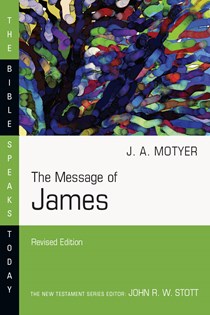 Paperback
The Message of James
The Bible Speaks Today Series
by J. A. Motyer
The apostle James addressed his readers directly and pointedly, using vivid images from ordinary life and attention-gripping statements. His letter reveals how a genuine faith is a tested faith, and how encountering difficulties is an essential part of the growth to Christian maturity.
In this Bible Speaks Today volume, J. Alec Motyer's rich exposition brings James's letter ...


